How to Be a Teacher Today and Not Die Trying: A View from the Classroom and the Heart
Year 2 | Issue 7 | July 2026 | Anglo-Saxon®
By Danitza Lazcano Flores – Chile
Being a teacher has always been a vocation of devotion, but nowadays it has turned into a true exercise in resilience. Those of us who inhabit classrooms face a daily reality that goes far beyond merely transmitting knowledge. I experience it firsthand, and I have understood it since the cradle: as a teacher and the daughter of a teacher, I have had the privilege—and, at the same time, the nostalgia—of witnessing the progressive and drastic shift in how our profession is valued.
Decades ago, the figure of the teacher commanded unquestionable respect. There was an implicit and solid alliance: parents and teachers worked together as a team aligned toward a single goal: the well-being and holistic development of the students.
Today, that structure seems to have vanished.
It has not been said in vain that the family is the first school. In the past, students arrived in the classroom with a clear foundation of respect and coexistence. At home, they were taught how to behave in front of adults, how to sit properly, and how to use lunch utensils correctly. There were basic notions of order and civic duty.
Today, the landscape is very different: the disconnect is such that most leave their work or lunch areas dirty and cluttered, without the slightest initiative to clean up after themselves. This lack of responsibility is also reflected in the loss of habits that used to build community. Years ago, students actively collaborated in the classroom. We all remember the role of the ‘semanero’ (weekly classroom helper), or the simple gesture of watering the plants that decorated and brought warmth to the room.
Those tasks were not a punishment; they were lessons in belonging, caring for our environment, and shared responsibility.
However, today we face a baffling reality: when we try to revive these dynamics, some students, and even their own parents, complain, arguing that they are being treated as ‘janitors’ or ‘support staff.’ The justification is usually that, since they pay tuition, someone else should do that work. This complaint forgets a fundamental truth: all work is worthy of respect, and helping to keep things orderly does not demean anyone; on the contrary, it builds conscious citizens.
I feel that both our country and the world in general are falling into a chaos of social values that we urgently need to stop before it is too late. The school cannot substitute for what is not taught at home, nor can it foster respect if we are undermined from the outside.
Despite the difficulties, I want to be clear: I am a teacher, I am passionate about being one, and I deeply enjoy the time I share with my students day in and day out. That is precisely why it hurts to see this beautiful profession being left so isolated. Today, we have almost no support from the government or ministries of education, and often not even from our own schools. Trapped between bureaucratic regulations and the fear of parental complaints, schools end up with their hands tied,
leaving teachers in a state of worrying vulnerability.
Surviving modern teaching is not just a matter of patience or lesson planning. It demands that we open an urgent debate on the role of the family and the institutional support that we teachers need to keep educating. Because if we want to rescue the future, we must start by restoring respect within the classroom.
Got questions? Don’t be shy! Reach out to us at anglosaxon.younglearners@gmail.com and we’ll help you out!”
– English Magazine
——————————————
Cómo ser profesor hoy y no morir en el intento: una mirada desde el aula y el corazón
Ser profesor siempre ha sido una vocación de entrega, pero hoy en día se ha convertido en un verdadero ejercicio de resiliencia. Quienes habitamos las aulas enfrentamos una realidad cotidiana que va mucho más allá de simplemente transmitir conocimientos. Lo vivo en primera persona y lo he comprendido desde la cuna: como profesora e hija de una profesora, he tenido el privilegio —y, al mismo tiempo, la nostalgia— de presenciar el cambio progresivo y drástico en la forma en que se valora nuestra profesión.
Hace décadas, la figura del profesor inspiraba un respeto incuestionable. Existía una alianza implícita y sólida: padres y profesores trabajaban juntos como un equipo alineado hacia un mismo objetivo: el bienestar y el desarrollo integral de los estudiantes.
Hoy, esa estructura parece haber desaparecido.
No se ha dicho en vano que la familia es la primera escuela. En el pasado, los estudiantes llegaban al aula con una base clara de respeto y convivencia. En casa se les enseñaba cómo comportarse frente a los adultos, cómo sentarse correctamente y cómo utilizar adecuadamente los utensilios para comer. Existían nociones básicas de orden y deber cívico.
Hoy, el panorama es muy distinto: la desconexión es tal que la mayoría deja sus lugares de trabajo o de almuerzo sucios y desordenados, sin la más mínima iniciativa de limpiar lo que ensuciaron. Esta falta de responsabilidad también se refleja en la pérdida de hábitos que antes fortalecían el sentido de comunidad. Hace años, los estudiantes colaboraban activamente en la sala de clases. Todos recordamos el rol del “semanero” o el simple gesto de regar las plantas que decoraban y daban calidez al aula. Esas tareas no eran un castigo; eran lecciones de pertenencia, de cuidado del entorno y de responsabilidad compartida.
Sin embargo, hoy nos enfrentamos a una realidad desconcertante: cuando intentamos recuperar estas dinámicas, algunos estudiantes e incluso sus propios padres se quejan, argumentando que se les está tratando como “auxiliares de aseo” o “personal de apoyo”. La justificación suele ser que, como pagan una matrícula o mensualidad, otra persona debería realizar ese trabajo. Esta queja olvida una verdad fundamental: todo trabajo es digno de respeto, y colaborar para mantener el orden no degrada a nadie; por el contrario, forma ciudadanos conscientes.
Siento que tanto nuestro país como el mundo en general están cayendo en un caos de valores sociales que necesitamos detener con urgencia antes de que sea demasiado tarde. La escuela no puede sustituir aquello que no se enseña en el hogar, ni puede fomentar el respeto si desde el exterior se socava constantemente su labor.
A pesar de las dificultades, quiero ser clara: soy profesora, me apasiona serlo y disfruto profundamente el tiempo que comparto con mis estudiantes día tras día. Precisamente por eso duele ver cómo esta hermosa profesión queda cada vez más aislada. Hoy casi no contamos con apoyo por parte del gobierno ni de los ministerios de educación, y muchas veces ni siquiera de nuestros propios establecimientos educacionales. Atrapados entre normativas burocráticas y el temor a las quejas de los apoderados, los colegios terminan con las manos atadas, dejando a los profesores en una preocupante situación de vulnerabilidad.
Sobrevivir a la docencia moderna no es solo una cuestión de paciencia o de planificar clases. Exige que abramos un debate urgente sobre el papel de la familia y el apoyo institucional que los profesores necesitamos para seguir educando. Porque, si queremos rescatar el futuro, debemos comenzar por restaurar el respeto dentro del aula.
¿Tienes preguntas? ¡No seas tímido! Escríbenos a anglosaxon.younglearners@gmail.com y con gusto te ayudaremos.
– English Magazine
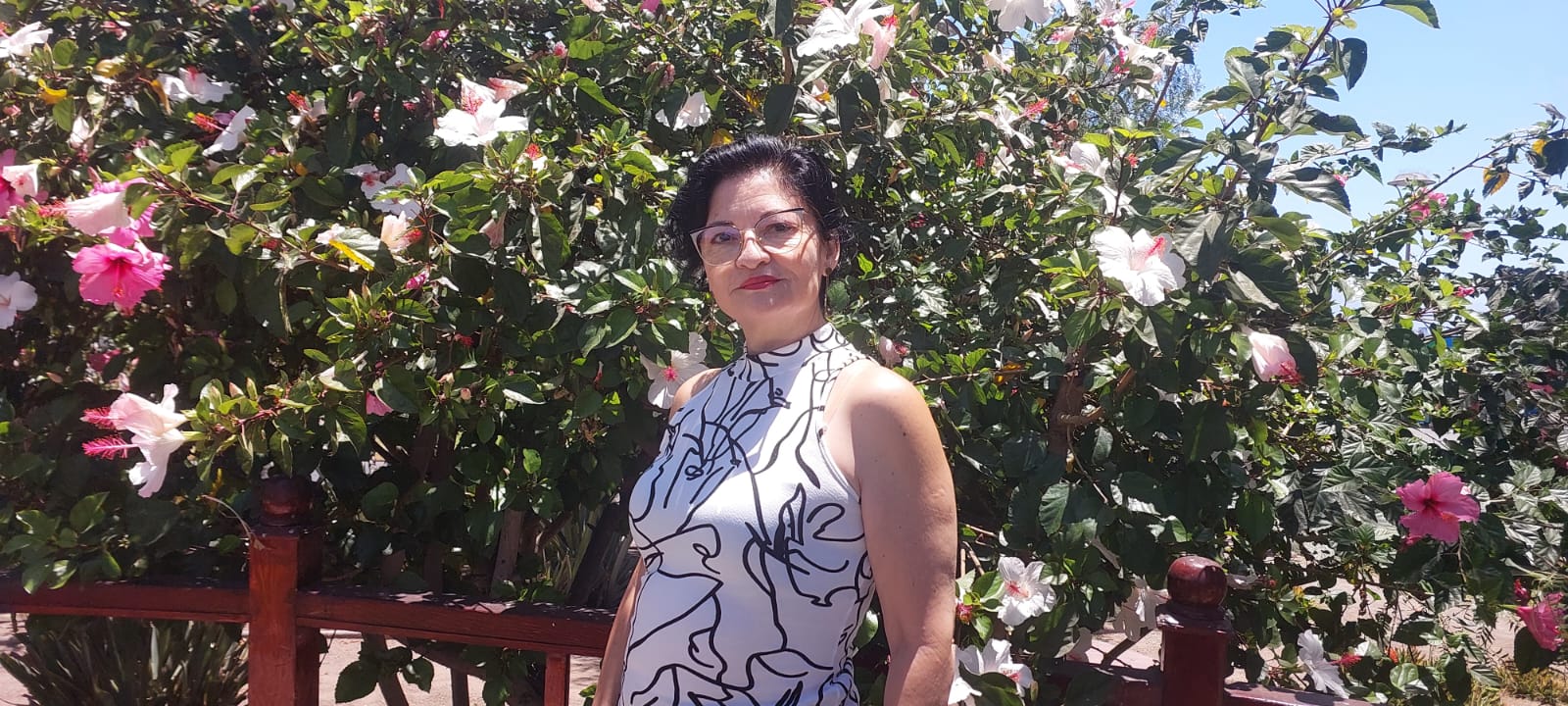
Danitza Lazcano Flores, who also works as a teacher at Colegio Andino Arica, is the CEO of Young Learners English Online Academy by Anglo-Saxon. She holds a degree in English Education and a Bachelor’s in Education from the University of Tarapacá, Chile. Lazcano leads international exam preparation for the Michigan MET Go! and TOEFL Junior, and is certified in adolescent instruction by the University of Dayton, with additional online courses offered by Stanford University and the University of Michigan. She also serves as a Vocational and Educational Counselor and has presented at international conferences on English language teaching.
Website: https://www.englishteachers.cl/
English Teachers Online Academy by Anglo-Saxon | Telephone# (56)(58)2431617 | Whatsapp +56962179467 | www.englishteachers.cl | E-mail: customers.anglosaxon@gmail.com | Arica – Chile.